National Parks
Bwindi Impenetrable Forest National Park.
Bwindi Impenetrable Forest National Park (Bwindi Forest National park) is a typical tropical rain forest with an annual mean temperature range of a minimum of 7–15°C to a maximum of 20–27°C. Its annual rainfall ranges from 1,400 to 1,900 millimeters. The heavy rains climax from March to April and from September to November.
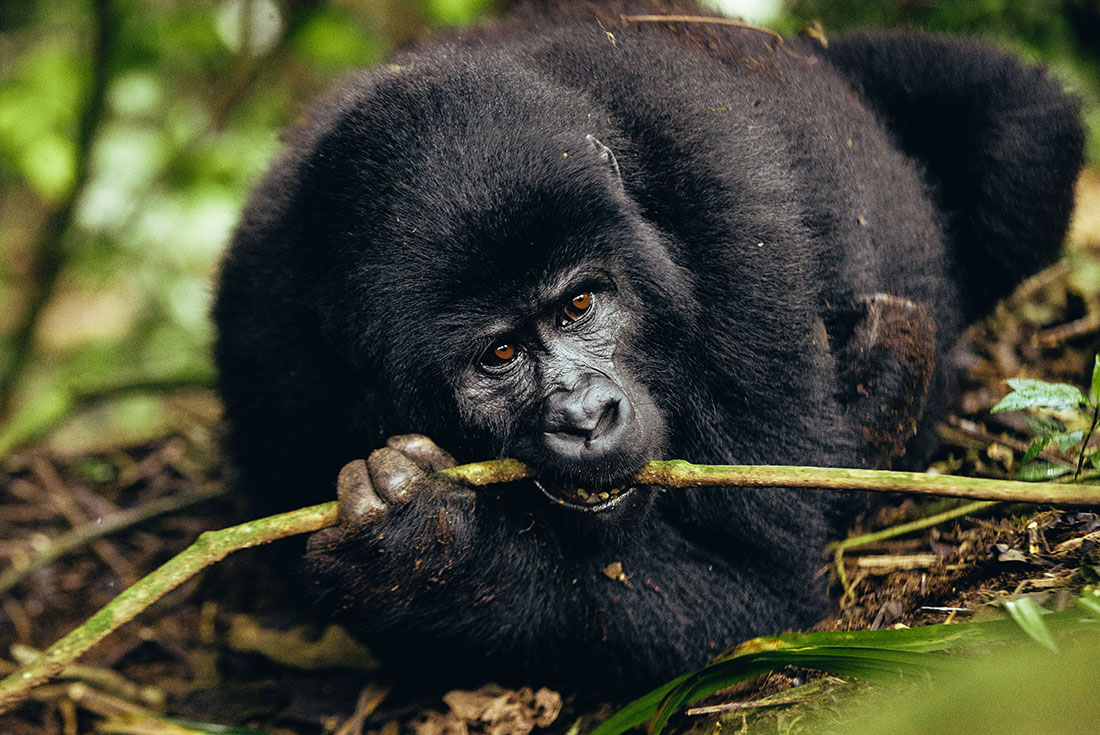
Bwindi Impenetrable forest became popular to the world because of Gorilla trekking! It is a habitat for more than half of the world’s remaining Mountain Gorilla population. These gentle primates are highly endangered species and the forest possesses more than 360 individuals of the plausible 800 plus mountain gorillas in the entire world. They are highly endangered because of poaching, habitat loss and diseases. This national park generates one of the highest revenues to Uganda Wildlife Authority amongst all the safari parks in Uganda.
About Bwindi Impenetrable National Park
Bwindi, located in the southwestern region, on the edge of the rift valley. Commonly referred to as the impenetrable forest, Bwindi Impenetrable National Park is bordered by the Democratic Republic of Congo (DRC) on the western side; Kabale town to the southeast is the nearest main town to the park, 29 kilometers away by road. It covers an area of 331 square kilometers and is located in the highest parts of Kigezi highlands with an altitude of 1,190 to 2,607 meters above sea level and 60% of this magical park has an elevation of over 2,000 meters above sea level. The highest elevation in the park is Rwamunyonyi hill at the eastern edge and the lowest part of the park is located at its most northern tip.
Bwindi Forest National Park is approximately an 8 hour or 9 hour drive from Entebbe by road and just 1 hour away by chartered flights. Usually the first and last days of Uganda gorilla tours are reserved solely for traveling and a few other minor activities along the way. The journey is quite long especially when you are traveling by road but its worth it after when you experience a close encounter with the mountain gorillas in it’s forests.


Activities at Bwindi Impenetrable National Park
Bwindi Impenetrable National Park is ranked as one of the top tourist destinations in the world reason being the park consists of a wide range of activities. The activities at Bwindi Impenetrable National Park include:
Gorilla Trekking: This is by far the most popular activity though it doesn’t have to be so considering how diverse the forest is. Bwindi is the best park to track mountain gorillas in East and Central Africa. About half of the remaining population of mountain gorillas is found in Bwindi Impenetrable forest. Bwindi also has the highest number of habituated gorilla families – 14 in total. It is only in Bwindi that tourists can go for the gorilla habituation experience.
Gorilla tracking usually begins with briefing early in the morning. The briefing covers important topics such as how to act around the primates, what to expect and what to pack. The actual tracking can take between 30 minutes to 4 hours depending on the gorilla family and their location. An advance team of trackers is sent earlier to locate the primates. This advance team of trackers then locates the gorilla family before communicating by radio to the rangers leading the tourists with details about their location. It is because of this advance team of trackers that the chance of spotting mountain gorillas is very high. Tourists are allowed only one hour with the gorillas. This is because the animals are semi-wild and prolonged presence of humans may get to their nerves. In the extremely rare cases where a gorilla charges, it is never wise to run away. Simply lay low in a submissive posture and all should be fine. Eating near gorillas is prohibited. You cannot make loud noises or fun of the gorillas.
Gorilla Habituation Experience: The gorilla habituation experience was introduced in Bwindi more recently. This experience is currently only possible in Bwindi forest – not in Rwanda and not in Congo. This activity allows primate lovers more time (four hours) observing the primates instead of the standard gorilla trekking (four hours).
Tourists taking part in the 3 Days gorilla habituation experience get a chance to move with experienced trackers and some of the best primate researchers. The scientists share information about the gorilla habituation process and current issues related to gorilla conservation. This experience costs more than the standard one hour gorilla watching. Only four people can take part in the gorilla habituation experience. You can read more about gorilla habituation vs trekking in another article.
Hiking and Nature Walks: Bwindi is a park with great biodiversity and the park authorities have ensured that visitors also experience the other good things that the park has to offer. To that end, several trails have been established to allow visitors marvel at the forest, its creatures like birds, butterflies and primates. One such trail starts from Buhoma to Nkoringo, from Nkoringo to Lake Mutanda and them from Nkoringo to Kisoro. These trails go through amazing scenery and provide opportunities to mingle with the locals.
The Buhoma Village walk in particular takes tourists to local communities where they can learn about how members of an indigenous African tribe spend their day. The waterfall trail on the other hand exposes visitors to pristine forest with orchids, ferns, birds and butterflies. This particular trail ends with a sighting of beautiful waterfalls containing pure water. The short Munyaga River trail at the valley below Buhoma park office provides opportunities to see birds and primates like L’Hoest’s monkeys and Colobus Monkeys.
Visitors need the help of a guide to find direction and a porter if they plan to move with heavy bags or equipment like cameras. If you plan to travel with your granny, then you might find our article about gorilla trekking for seniors interesting. The Guide/Ranger helps with finding direction and identifying the different species of birds and animals. Bwindi is very close to Mgahinga Gorilla National Park and it is possible to climb one of the three mountains. It is important to note that walking within the park requires paying the daily entrance fee.
Mountain Biking/Cycling: For those who feel that cycling is more enjoyable then the nature walks, they can arrange to hire a mountain bike through their lodge and go explore the surrounding areas. The “for a woman” project hires mountain bikes to tourist in the Buhoma sector at a cost with the proceeds used to improve the lives of the local women in the area. The project also provides guides escort bikers through the local villages and in the forest where they can sight some of the forest creatures and waterfalls. Biking is not very prominent in Bwindi as a whole except for places like Buhoma but lodges in other sectors are picking up and organizing the activity for clients on a small scale.
Birding: Bwindi is one of the best birding destinations in Uganda and Africa for that matter. 90% of the species in the park are endemic to the Albertine rift. Seasoned birders can expect to see at least one hundred species in a day. The best way to spot the birds is to follow the River Ivi trail, Munyaga River trail, Ruhija’s bamboo trail and the Mubwindi Swamp trail. The Munyaga River Trail is the best option for birders with little time to spare. Some of the species to look out for are the yellow-whiskered greenbuls, Yellow-eyed black Fly-catcher, White-tailed fly-catcher, White-tailed Blue Monarch, white-tailed blue flycatcher, White-browed Crombec, White-bellied Robin Chat, white tailed blue monarch, Western Green Tinkerbird, Western Bronze-naped Pigeon, strange weaver, Short-tailed Warbler, Shelley’s Crimson-wing, Ruwenzori Batis, Rusty-faced woodland Warbler, Red-throated Alethe, red-tailed bulbul, Red-faced Woodland Warbler, Purple-breasted, Mountain masked Apalis, Chestnut –throated Apalises, McKinnon’s grey shrike, Kivu Ground Thrush, honey guide, Handsome Francolin, Gruel’s Rush Warbler, Green Tinkerbird, Grauer’s broadbill, Frazer’s eagle owl, Fine-banded Woodpecker, Elliot’s woodpecker, Dusky crimson honey guide, Dusky crimson wing, Collared Apalis, Cinnamon-chested Bee-eaters, Chapin’s Flycatcher, brown necked parrot, blue-headed sunbird, Regal Sunbirds, blue turaco, Black billed Turaco, black bee-eater, Bar-tailed Trogon, the Wing, Bar-tailed Trogon, barred long-tailed cuckoos, bar tailed trogon, Archer’s Robin-Chat, African Wood Owl, African Green Broadbill, Mountain and Yellow-streaked Greenbuls.
Visiting the Batwa People: The Batwa pygmies are believed to be the oldest indigenous tribe in Uganda. Whereas most of the other tribes in Uganda migrated from various parts of Africa to their current locations, the Batwa had lived in Bwindi forest for over 5,000 years. Unfortunately, the Batwa were evicted from Bwindi and Mgahinga Gorilla National park. The reason for their eviction among others was to protect the Mountain gorillas from diseases by limiting contact with humans. Like we have already discussed before, the Batwa now live outside the park. Visiting the Batwa provides a unique opportunity to be with a true indigenous African tribe and learn about their ancient culture and way of life. While with the Batwa, visitors watch as they showcase their cultural heritage and ancient ways of life in the forest through storytelling, dance and drama.
Cultural and Village Walks: Apart from the Batwa, other tribes like the Bakiga live on the edges of the forest. Tourists can visit one of these tribes and learn about their culture and economic activities. The Bakiga also have their own unique cultural dances and ways of doing things. They can take you to see their traditional doctors and blacksmiths or teach you how to weave, make local beer and cook local dishes. You will definitely have opportunities to purchase beautiful local art pieces. There are opportunities to give back to the community. You could visit one of the local schools or community hospitals and make a cash donation or arrange to donate items like sewing machines, water tanks and other essentials. It is important to hire a guide who is knowledgeable about the area, local people and customs. Always consult with the park office, your lodge or tour company before making any donations to ensure it reaches the right people
Canoeing: Canoeing is perfect in Lake Mutanda. The Lake sits in an area with remarkable beauty and great views of the Virunga ranges of mountains. Moreover, forest birds love visiting and nesting in the papyrus swamps and beautiful lake islands making them excellent for bird watching. While on the dug-out canoe, expect to encounter several local fishermen and villagers washing and collecting water by the Lakeside.
Visiting Bwindi Community Hospital: This hospital is found in the Buhoma sector of Bwindi Impenetrable National Park. The hospital is of good quality by local standards and this is partly because it receives generous donations from tourists and other visitors to the park. The hospital has a special section for children, provides eye and dental care besides the other common clinical services. Bwindi Community Hospital has helped reduce the mortality rate among the local communities and helped take services closer to people in need. Tourists are allowed access to most parts of the hospital to learn something about the healthcare system in a developing country.
Visiting the Bwindi Bar and Restaurant: For those who love food and drinks, this is a must go to place while at the Buhoma sector of Bwindi. The facility trains young underprivileged people on the essentials of hospitality management including preparing some of the tastiest local and international dishes around. This is the place to go if you want to try out local food like Uganda’s famous Rolex, cassava chips, Bwindi Salsa, Matooke and groundnut sauce. You can also order for American coffee and brownies among other internationally known meals.
Gorilla Families at Bwindi Impenetrable National Park
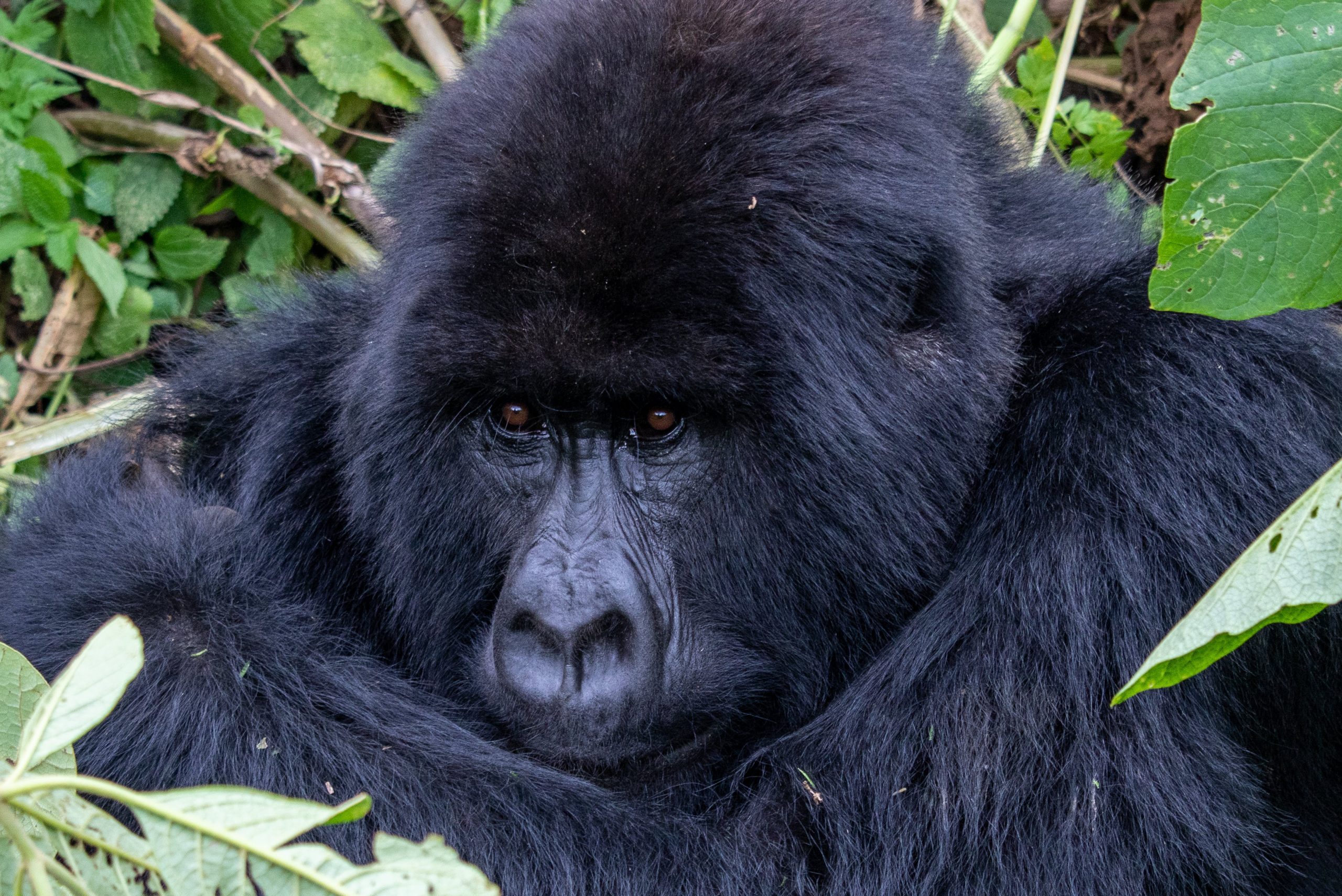
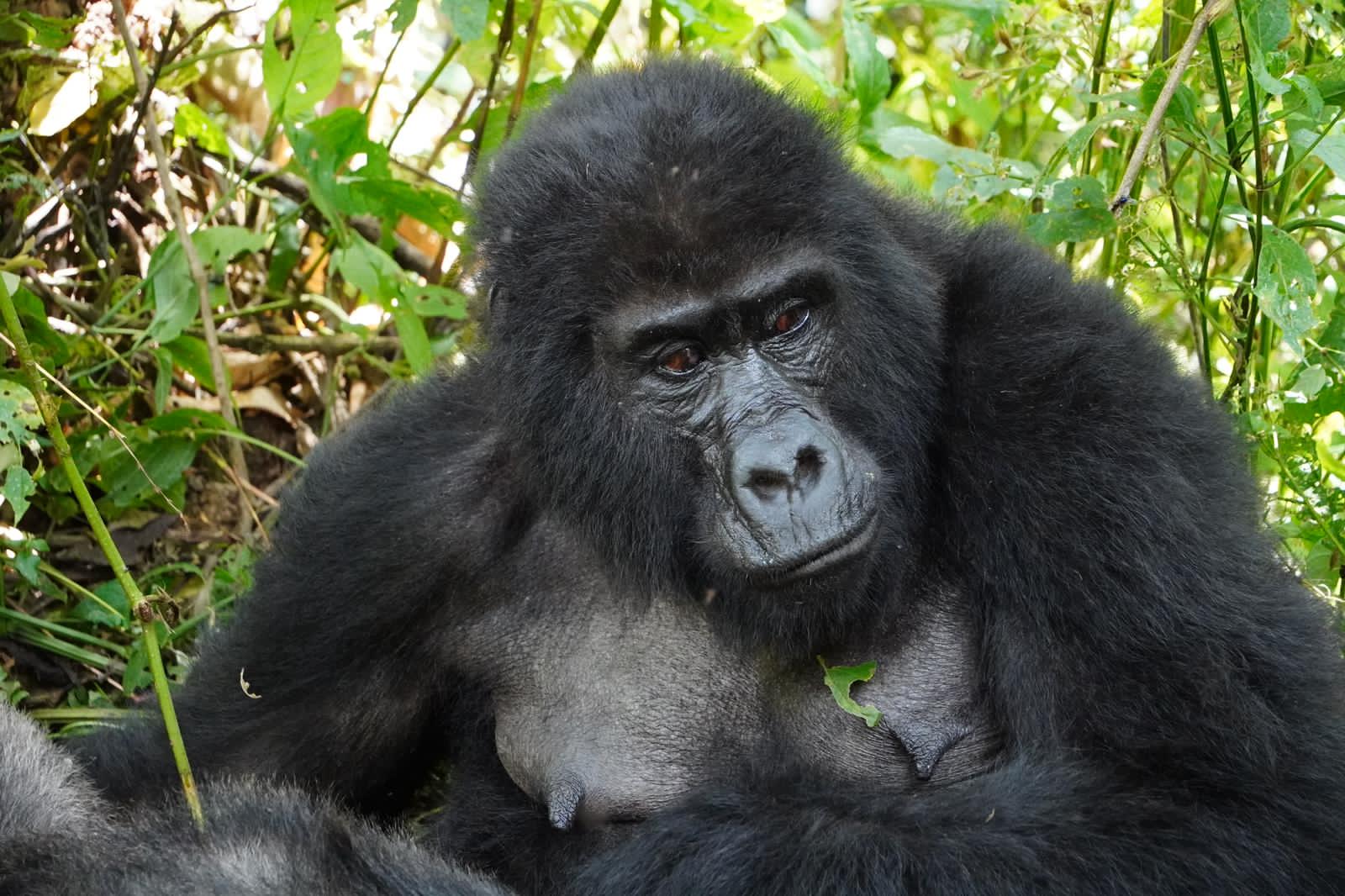
Gorillas in Bwindi Impenetrable National Park are grouped in gorilla families which are given a gorilla sector to live in. The Gorilla families usually have a silverback as the male and the one who runs the family. Gorillas are trekked according to the gorilla families and where they are located (Gorilla Sector). We provide you with a complete list of gorilla families and sectors in Bwindi Impenetrable National Park, namely:
1. BUHOMA SECTOR
Buhoma sector is located in the northern region of Bwindi impenetrable national park, Buhoma sector is the most exciting and visited sector in the park, Buhoma sector is the first sector to be opened for trekking with Mubare gorilla family to be opened for receiving trekkers. Mubare gorilla family is the first family to be habituated in both Buhoma sector and Bwindi Impenetrable National Park habituated in 1992. Buhoma sector consists of three gorilla families which include;
Mubare Gorilla Family
Mubare Gorilla Family is the first gorilla family to be open for gorilla trekking first habituated in 1992, this group presently consists of 5 individuals, this family is named after Mubare hills where this group was first sighted. Mubare Gorilla Family is headed by Kanyonyi a dominant silverback with 1 adult female, 2 sub adult female and 1 infant.
Habinyanja Gorilla Family
Habinyanja Gorilla Family deriving its name from a Rukinga word “Nyaja” meaning a place with water was habituated in 1997 and first trekked in 1999, this family was first sighted near swamp ponds of Bwindi Impenetrable National Park. Habinyanja gorilla family consists of 13 prominent family members namely Makara, Rwansigazi, Maraya, Kisho, Nabukye, Binyonko, Rugyendi, Nyamuhango, Elsa, Hamusini, Hakato, Gacyaro and Bangenyi. This family is under the leadership of Makara a dominant silverback.
Rushegura Gorilla Family
Rushegura Gorilla Family was habituated in 2000 and opened for trekking in the same year, this group split from Habinyanja gorilla family. This family consists of 19 gorilla individuals and when you trek in this family, you are able to get a sight of Mwirima the dominant silverback and leader of this group, Kabukojo the blackback, 5 adult female that is Kyirinvi, Kibande, Buzinza, Nyamunwa and Karungyi, 2 sub-adult female Kalembezi and Ruterana, 5 juveniles that is Nyampazi, Kafuruka, Kibande, Karungyi, Kanywanyi, 5 infant gorillas that is Kyirinvi, Buzinza, Nyamunmwa, Kibade and Katabazi
Buhoma sector is very accessible using routes from Kabala, using Kihihi Airstrip and from Queen Elizabeth National Park as it is close to Ishasha sector the southern part of Queen Elizabeth National Park
2. NKURINGO SECTOR
Nkuringo gorilla sector is situated in the southern part of Bwindi impenetrable national park Kisoro district, Nkuringo sector is home to only three gorilla families which are;
Nkuringo Gorilla Family.
Nkuringo Gorilla Family is the first gorilla group habituated in the South Western region of Bwindi and it was done in 1997. Nkuringo gorilla family is composed of 12 gorilla individuals including 1 silverback, 2 adult females, 2 adult females, 2 sub adults 3 juveniles and 2 infants. Nkuringo gorilla family is a historical family as it is the first family in Bwindi impenetrable national park to record the birth of twins, Nkuringo gorilla family initially was made up of 17 family individuals but many members split from the park and only 12 where left in this family group.
Bikingi Gorilla Family
Bikingi gorilla family is a fantastic gorilla family exclusive for gorilla habituation experience, this family was habituated as early as 2012. Currently, this family consists of 15 family individuals that is, 1 silverback, 5 adult females, 2 sub-adults, 2 juveniles and 5 infants. Bikigi gorilla family is yet to have a leader because it is still undergoing through habituation process.
Bushaho Gorilla Family.
Bushaho Gorilla Family is a group of 8 individuals with 1 silverback, 1 blackback, 3 adult females, 1 sub-adult, 1 juvenile, and 1 infant. Bushaho gorilla family was formed by numerous members who split from Nkuringo gorilla family, this family is under the leadership of a dominant silverback Bahati.
3. RUSHAGA SECTOR
Rushaga Sector is the most visited sector in Bwindi Impenetrable National Park by tourists coming from Kigali using Cyanika border in Kisoro district, this region is also situated in the southern region of the park. Rushaga Sector hosts the greatest population of mountain gorilla families in the park and they include;
Nshongi Gorilla Family
Nshongi gorilla family is an exciting gorilla family in Bwindi Impenetrable National Park, this family consists of 7 family members under the leadership of Bweza a powerful silverback. There is 1 silverback, 1 juvenile, 1 infant, 3 adult females and 1 sub adult.
Kahungye gorilla family
Kahungye gorilla family is a family of 17 members deriving its name from kahungye hill where these gorilla were first sighted in this region, this family is under the leadership of a dominant silverback Rumaz with 3 adult females, 3 silverbacks, 2 infants, 3 juveniles and 3 sub adults.
Busingye Gorilla Family
Busingye Gorilla Family is a family of 9 members which broke away from kahungye gorilla family, this family under the leadership of dominating silverback Busingye. This group derives its name from a local word meaning peace.
Mishaya Gorilla Family
Mishaya Gorilla Family is a group of 12 members under the leadership of a dominant silverback Mishaya, Mishaya gorilla group was formed in 2010 by Mishaya who broke away from Nshongi gorilla group.
Bweza Gorilla Family
Bweza Gorilla Family is a family of 23 mountain gorilla individuals under the leadership of a silverback by the name Kakono. This family consists of 2 silverbacks, 4 Black backs, 1 sub-adult, 3 adult females and 2 infants.
4. RUHIJA SECTOR
Ruhija Sector is found in the eastern region of Bwindi Impenetrable National Park, Ruhija is an amazing sector consisting of 3 gorilla families where mountain gorilla trekking takes place. These families include;
Bitukura Gorilla Family
Bitukura Gorilla family is a family of 14 family individuals with 4 silverbacks, 4 adult families, 2 juveniles, 3 infants, and 1 baby. This family was habituated in 2007 and it initially consisted of 24 family members, and recently the group faced constant conflicts which caused many members to run away from the group.
Oruzogo Gorilla Family
Oruzogo Gorilla Family is a family of 17 individuals with 1 silverback, this family was opened for tourism in 2007 and some of the prominent members of this group include Bakwate “old silverback”, Kaganga (silverback), Kasumali (silverback), six adult females whose names include Nyangaro, Katoto, Ruchura, Mutesi, Nyakina and Mukwano, one black back Bwengye, three sub-adult males Nyakashunja, Musenene, Nyabirano, and Muhumuza, two infant males Mufuruki and Paska, one infant female Musana.
Kyaguliro Gorilla Family
Kyaguliro Gorilla Family is relatively a big family of 20 family individuals, this family was reserved for research, that is why it is not occasionally visited. After the death of the group’s then leader who was struck dead by lightning, the group split into two groups that is Kyaguliro A and Kyaguliro B.
Kyaguliro A– consists of 10 family members, that is 1 silverback, 2 black-backs, 3 adult females, 2 juveniles, and 2 infants under the leadership of Rukara a dominant silverback
Kyaguliro B– consists of 10 family members, that is 1 silverback, 4 adult females 1 adult, and 4 infants under the leadership of Mukiza a dominant silverback.

How to Access Bwindi Impenetrable National Park.
Bwindi Impenetrable National Park can pretty much be accessed from any part of Uganda and northern Rwanda. From Kampala the capital of Uganda, it takes approximately 8 t0 9 hours by road to Bwindi through Masaka to Mbarara, to Kabale and then Kisoro and Kanungu respectively. This driving time is however is dependent on the gorilla trekking sector at Bwindi forest park one would prefer to go to. Bwindi impenetrable national park can also accessible accessed from Rwanda (Kigali) via a number boarder posts, taking up to approximately 4 hours to arrive, a time frame also dependent on the sector one is headed out to. Bwindi park can also accessed by air with flights departing from Entebbe to the various air fields close to Bwindi park, that is Kihihi Airstrip serving both Buhoma and Ruhiija gorilla tracking sector. Another airstrip can be accessed from Kisoro serving Rushaga gorilla tracking sector and Nkuringo, and other travel destinations to mention Mgahinga Gorilla National Park still within the confines of Bwindi. The most recent addition to the flight was the connecting flight from Masai Mara national reserve to Bwindi forest national park by Air Kenya. The recent addition seeks to bridge a gap between travelers who wish to enjoy the wildlife diversity of Masai Mara as well delve into gorilla trekking, one of the most incredible, thrilling, and fascinating activities conducted at the Bwindi impenetrable national park.
Gorilla Tracking procedure at Bwindi Impenetrable National Park.
Gorilla trekking in Bwindi and the rest of national parks that conduct gorilla tracking have procedures. Depending on the gorilla tracking sector you intend to track from, one must have a gorilla tracking permit issued by the Uganda Wildlife Authority. The price of the permits varies depending on the nationality and residential status. The current trekking permit price is 800 USD for foreign non-residents, 700 USD for each foreign resident, and UGX 300,000 for East African residents (June 2024. From June 2026). The permits are attached to particular gorilla trekking sectors and the tracking dates are strictly those indicated on the permits. Upon getting the necessary permits, it is advised that travellers seek the services of Valverde Safaris to save you the hustle of the entire process but rather get you to the trekking area and return you your destination. Upon getting to the park, it is a requirement that you get briefed from the park headquarters on the dos and don’ts of gorilla trekking. The park rangers assigned to different gorilla families are also assigned to the different trekking groups. Later, swing into action and delve into the jungles in search of the gentle giants, a search that can only come to a standstill when the gorillas are discovered. It takes approximately half an hour to about 5 hours to find the Bwindi gorillas. Upon finding the gorillas, you are given a maximum of one hour to interact with the gorillas. The interaction is usually inform of getting to know how they go about their daily life feeding, nesting and family activities. The tracking can only be deemed complete with pictures and videos as souvenirs.
Cost of Gorilla Trekking in Uganda.
Gorilla trekking is an activity that takes place in Bwindi Impenetrable National park Uganda, and Mgahinga National park.
When considering the cost of Gorilla trekking in Uganda, note that the gorilla permit costs 800 USD. There are 13 gorilla habituated families and only eight people are allowed to trek the mountain Gorillas every day. Book your gorilla permit three months before travel with Valverde Safaris.